


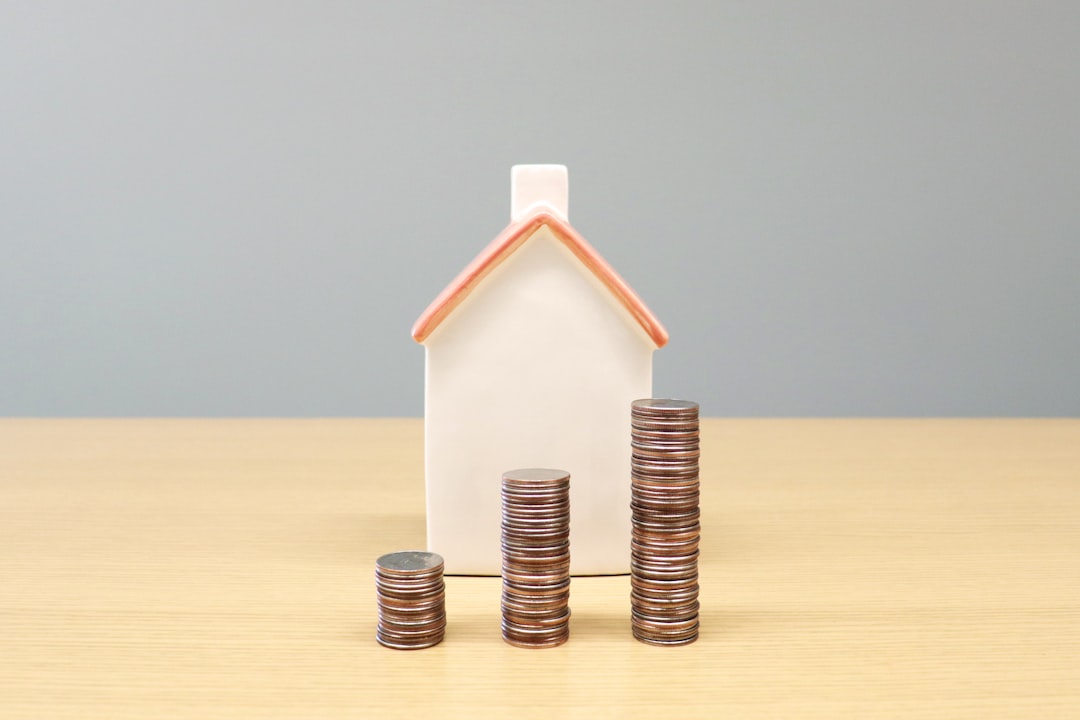
Handing over the down payment feels like the finish line after months of saving. It usually isn’t. The moment the deposit clears, a new financial life begins, one with a larger monthly commitment and a string of costs still waiting in the wings. Empty your savings to make the biggest possible down payment and you can find yourself house-rich and cash-poor the week you move in.
Table of Contents
- Why the down payment isn’t the last big expense
- How many months of expenses should you keep?
- Budgeting for the costs that follow the purchase
- Should you make a bigger down payment or keep more in reserve?
- Where to park the reserve so it’s ready
- How do you set your own reserve number?
The smarter question is less about how much you can put down and more about how much you should hold back. A sensible reserve is what stands between a manageable purchase and a stressful one, and getting its size right matters as much as the deposit itself.
Why the down payment isn’t the last big expense
Buyers often budget for the down payment and stop there, forgetting the pile of costs that lands right behind it. Registration and stamp duty alone can run to a meaningful share of the property’s value, and they fall due almost immediately, in cash.
Then come the expenses of actually living there. Basic interiors, essential furniture, a few repairs the previous owner left for you, and the sheer cost of moving all arrive in the first weeks. None of these are optional in practice, and none are covered by the loan. Treating the down payment as your final outlay is how people end up scrambling for money just as they’re settling in.
How many months of expenses should you keep?
A common guideline is three to six months of expenses set aside, and after buying a home you want to be at the higher end of that. Your obligations have just gone up, so your cushion should too.
The key is to size it against your new monthly reality, not your old one. Add the new Home Loan EMI to your regular living costs, then multiply by the number of months you’d want to stay afloat if your income paused. That figure, not a round number plucked from habit, is the emergency reserve a homeowner actually needs. A job loss or a medical setback is far more daunting with a mortgage in the picture, which is exactly why the buffer should grow once you have one.
Budgeting for the costs that follow the purchase
It helps to split your reserve into two jobs: the known costs coming up and the unknown ones that might. The known pile is easier, since you can estimate it. Closing costs, registration, any brokerage, and the interiors you can’t move in without all carry rough price tags you can total in advance.
Set that money aside separately from your emergency fund, because spending your safety net on curtains defeats its purpose. Beyond the predictable, keep a margin for the surprises a home always produces, a leak, an appliance that dies, a repair the inspection missed. Owning property generates its own small emergencies.
Should you make a bigger down payment or keep more in reserve?
This is the real tension, since every rupee is doing one job or the other. A larger down payment shrinks your loan, your EMI, and the total interest you’ll pay, which is genuinely valuable and tempting to maximize.
But draining your reserve to get there trades a long-term saving for a short-term danger. If an emergency hits in the first year, a smaller EMI is cold comfort when you have no cash to cover it, and you may end up borrowing at a far higher rate to plug the gap, wiping out the interest you saved. The balance most people should strike is to put down enough to keep the loan comfortable, but never so much that your emergency buffer disappears. A slightly larger mortgage you can service beats a smaller one that leaves you exposed.
Where to park the reserve so it’s ready
A reserve only works if you can reach it fast, so where you keep it matters. Money locked in something you can’t access quickly, or that loses value if you sell in a hurry, isn’t really a reserve at all.
Liquid options are the point here. A fixed deposit is a popular home for the buffer, since it stays safe and earns interest while remaining easy to access, and if an emergency strikes you can even borrow against the FD rather than break it, keeping the money working. The aim is money you can lay hands on within a day or two, not funds you have to unwind at a loss.
How do you set your own reserve number?
Build it from your own figures rather than a generic rule. Take your new monthly outgo, EMI included, multiply by the months of cover you want, and add the known costs still ahead, from registration to the first round of interiors.
Layer a modest margin on top for the inevitable surprises, and that total is your target reserve, the amount to protect even if it means putting down a little less. Revisit it as your situation changes, topping the fund back up whenever you dip into it. Do this and the down payment stops being a leap of faith and becomes one carefully sized step, with solid ground still under your feet on the other side.
Key Takeaways
- Handing over the down payment initiates a new financial life, characterized by larger monthly commitments and additional costs.
- Buyers should consider setting aside three to six months of expenses after making a down payment to create a financial cushion.
- Known costs associated with homeownership include registration, closing costs, and initial moving expenses, which should be budgeted separately from emergency funds.
- A balance must be struck between making a larger down payment and retaining sufficient reserves to cover unexpected expenses and emergencies.
- Liquid assets, like fixed deposits, are recommended for emergency reserves to ensure quick access without loss of value.
- To determine an appropriate reserve amount, buyers should calculate their new monthly expenses, add known costs, and include a margin for surprises.