


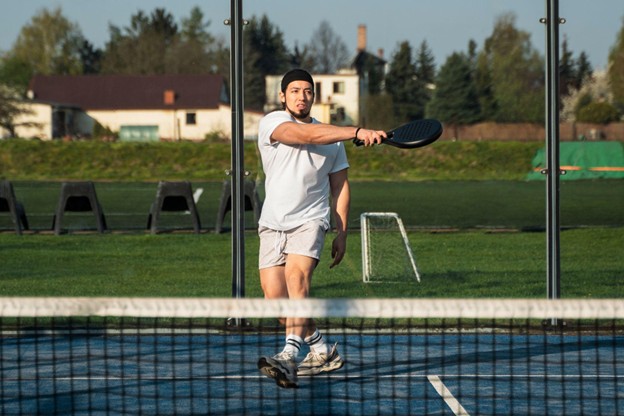
The world of racket sports has transformed significantly over the past decade, evolving from a niche athletic activity into a global lifestyle and business opportunity. What was once limited to local clubs and small sporting communities has now expanded into international markets driven by growing demand, better accessibility, and increasing awareness of fitness-based recreation. This shift has opened doors for suppliers, retailers, and facility owners who see value not only in the sport itself but also in the ecosystem that surrounds it.
At the heart of this transformation is the growing demand for quality equipment that meets both professional and recreational needs. Players today are more informed, more selective, and more focused on performance than ever before. This has created a competitive environment where businesses must adapt quickly to meet expectations and deliver value beyond basic products, especially when sourcing from a tennis racket wholeseller who can ensure consistency and scale.
Understanding the Supply Chain Behind Sporting Equipment
Behind every racket sold on the shelf is a complex supply chain involving manufacturers, distributors, and specialized wholesalers who ensure consistent availability and quality. The role of a tennis racket wholeseller is particularly important in this ecosystem, as they bridge the gap between large-scale production and retail demand. They help ensure that sporting goods remain accessible across different regions, while also maintaining standards that align with evolving player expectations.
In many cases, wholesalers are not just suppliers but strategic partners for retailers and sports centers. They help businesses manage inventory, anticipate demand, and stay competitive in a rapidly growing industry. Without this structured supply network, many markets would struggle to keep up with the pace of growth seen in racket sports today.
The Rise of Specialized Sports Markets
As sports like padel continue to gain popularity, new regional hubs have emerged, each with its own unique demand patterns. One of the fastest-growing markets is the Middle East, where sports infrastructure development is happening at a rapid pace. In such regions, the demand for high-quality equipment is not just about availability but also about performance and durability under different playing conditions.
This is particularly visible in areas where padel has become a mainstream activity. The demand for padel racket Dubai has increased significantly as more players take up the sport, ranging from beginners exploring the game for the first time to advanced players seeking professional-level equipment. This growth has encouraged suppliers to expand their offerings and ensure that players have access to a wide range of choices suited to different skill levels.
What Modern Buyers Really Look For
Today’s buyers are not just purchasing equipment; they are investing in performance. Whether it’s a tennis racket or a padel racket, players want gear that enhances their control, improves their accuracy, and lasts longer under regular use. This shift in mindset has changed how products are marketed and distributed.
Businesses that succeed in this environment are those that focus on transparency, quality assurance, and customer education. Instead of simply selling products, they provide guidance on how to choose the right equipment based on playing style, frequency, and environment. This approach builds trust and long-term customer relationships, which are essential in a competitive market.
The Role of Innovation in Equipment Development
Innovation plays a major role in shaping the future of racket sports. Manufacturers are constantly experimenting with new materials, improved designs, and advanced technologies to enhance performance. Lightweight frames, vibration-reducing grips, and improved balance systems are just a few examples of how equipment has evolved over time.
These advancements are not just technical upgrades; they directly impact how players experience the game. A better-designed racket can improve reaction time, reduce fatigue, and increase overall enjoyment of the sport. This continuous innovation cycle ensures that the industry remains dynamic and responsive to player needs.
Navigating Market Competition and Demand
With growing popularity comes increased competition. Businesses must now differentiate themselves not just through pricing but through service quality, product variety, and customer experience. The ability to adapt quickly to changing market trends is what separates successful suppliers from those who struggle to keep up.
In this environment, partnerships with reliable distributors and wholesalers become even more valuable. They provide stability, consistency, and access to a wider product range, helping businesses maintain their position in a competitive landscape. At the same time, brands are focusing on strengthening regional availability to meet rising demand more effectively. This is especially important in fast-growing sports hubs where customer expectations are high. For example, demand for padel racket Dubai continues to grow as more players seek high-performance equipment with quick access and reliable supply chains.
Future Outlook of Racket Sports Industry
The future of racket sports looks promising, with continued growth expected across multiple regions. As more players enter the sport and facilities expand, the demand for quality equipment will continue to rise. This creates long-term opportunities for businesses involved in manufacturing, distribution, and retail.
The integration of technology, improved logistics, and better market understanding will further enhance the efficiency of the supply chain. This will not only benefit businesses but also improve the overall experience for players worldwide.
Conclusion
The evolution of racket sports is driven by innovation, accessibility, and a growing global community of players. From supply chains to on-court performance, every element plays a role in shaping the industry’s future. As demand continues to grow across different regions, businesses that focus on quality, adaptability, and customer needs will remain at the forefront of this transformation. This shift is also strengthening partnerships across manufacturing and distribution networks, creating more efficient ways to deliver equipment worldwide. In emerging markets, especially for tennis racket wholeseller, this growth is opening new opportunities for scalable business expansion and stronger customer reach. For those looking to explore reliable solutions in this space, Padel Factory represents a trusted name supporting growth and excellence in modern sports development.