


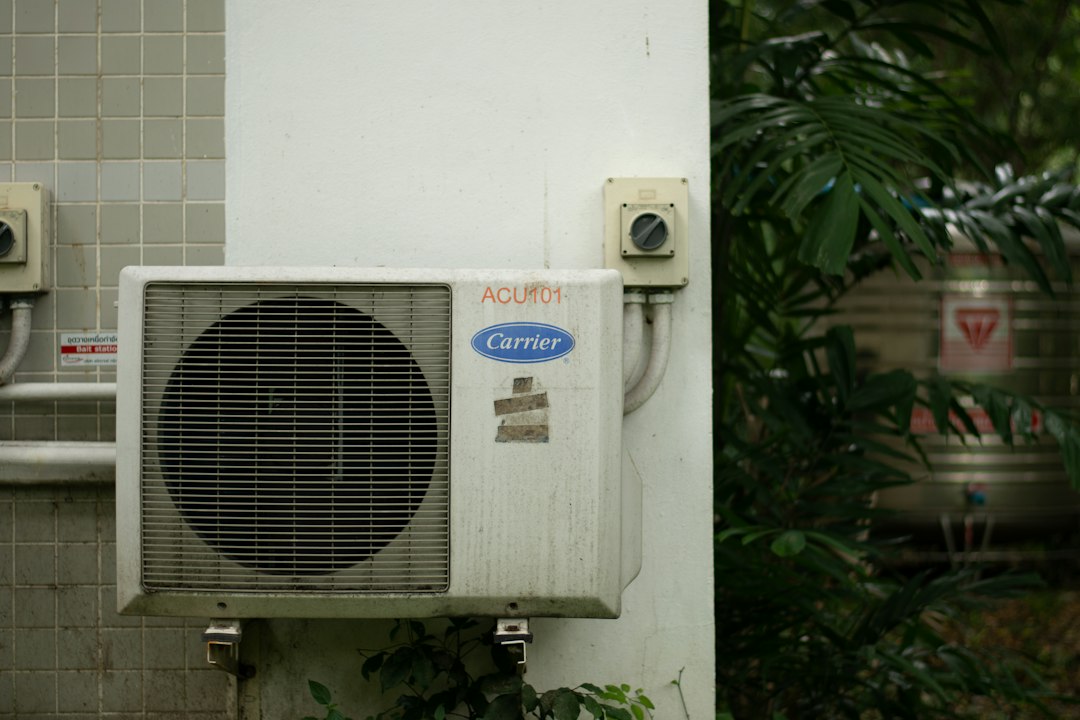
Keeping a home comfortable through the warmer months requires more than simply purchasing an air conditioner. For homeowners researching air conditioning installation los angeles ca, the quality of the planning and installation can be just as important as the equipment itself. Residential cooling systems must be selected according to the characteristics of the property, installed according to appropriate requirements, and tested before regular operation begins. A thoughtful approach can help homeowners understand their options, identify potential installation challenges, and establish a cooling system that supports dependable indoor comfort.
Table of Contents
- What Is the First Step in an Air Conditioning Installation?
- Why Does Proper System Sizing Matter?
- Can a New Air Conditioner Improve Indoor Comfort?
- What Are the Main Components of a Central Air Conditioning System?
- Does an Older Home Require Special Installation Considerations?
- Should Existing Ductwork Always Be Replaced?
- What Electrical Requirements Should Be Considered?
- How Important Is Outdoor Unit Placement?
- What Can Homeowners Do to Improve Cooling Performance?
- What Happens if the Installation Is Poorly Done?
- Should Homeowners Replace a Working Air Conditioner?
- What Questions Should Be Asked Before Signing an Installation Agreement?
- How Does Regular Maintenance Support a New System?
- Is Indoor Air Quality Connected to Air Conditioning?
- What Should a Homeowner Look for on Installation Day?
- Why Is Professional Planning Valuable in Los Angeles Homes?
- What Is the Long-Term Goal of a Proper Installation?
What Is the First Step in an Air Conditioning Installation?
The first step should be a detailed assessment of the property. Before recommending equipment, an installation professional needs to understand how the home is designed and how the current cooling system performs.
The assessment may include the home’s approximate size, existing equipment, ductwork, electrical service, insulation, thermostat arrangement, and indoor comfort concerns. Rooms that remain warmer than others can provide useful clues about airflow or building conditions.
This preliminary evaluation helps prevent a common mistake: selecting an air conditioner based only on a general size assumption. Every property has different cooling requirements, and those differences should be considered before equipment is selected.
Why Does Proper System Sizing Matter?
System capacity has a direct relationship with comfort and operation. A system that is too small may have difficulty keeping up with the cooling demand of a home. A system that is too large may reach the thermostat setting quickly and cycle more often than intended.
Neither situation is ideal. The goal is to select equipment with capacity appropriate for the property’s calculated cooling needs.
Factors such as insulation, windows, orientation, ceiling height, occupancy, and heat gain can affect the calculation. A professional evaluation provides a more reliable foundation for deciding what capacity is appropriate.
Can a New Air Conditioner Improve Indoor Comfort?
A properly selected and installed system can contribute to more consistent indoor temperatures. However, the air conditioner is only one part of the overall comfort equation.
Air distribution, insulation, duct condition, thermostat placement, and the home’s construction can all influence how comfortable individual rooms feel. If one bedroom is consistently warmer than another, for example, the issue may involve airflow rather than equipment capacity alone.
This is why installation should be treated as a complete system project rather than simply an equipment replacement.
What Are the Main Components of a Central Air Conditioning System?
A conventional central cooling setup includes indoor and outdoor components, refrigerant lines, electrical connections, ductwork, a thermostat, and condensate drainage.
The outdoor equipment generally handles the heat rejection process, while the indoor section works with the home’s air distribution system. Refrigerant lines connect the two sides, and the thermostat communicates temperature requirements to the equipment.
Each component has a role. A problem with one part can affect the performance of the entire system. Proper installation therefore requires attention to the complete arrangement rather than only the primary unit.
Does an Older Home Require Special Installation Considerations?
Older properties can present unique challenges. Construction methods, electrical systems, duct layouts, insulation levels, and equipment locations may differ considerably from those found in newer homes.
An existing system may also have been modified over the years. Ductwork could have been extended, electrical components changed, or equipment installed in locations that make replacement more complicated.
A professional inspection can identify these conditions before installation begins. Knowing about potential obstacles in advance allows homeowners to discuss appropriate solutions rather than discovering unexpected issues during the project.
Should Existing Ductwork Always Be Replaced?
Not necessarily. If existing ducts are properly sized, adequately sealed, accessible, and in suitable condition, they may be usable with the new equipment.
However, damaged or poorly performing ductwork can limit the benefits of a new air conditioner. Air leaks, inadequate insulation, restricted sections, and poor connections may contribute to uneven temperatures.
An installation assessment should determine whether the existing distribution system is suitable. In some cases, targeted improvements may be sufficient rather than complete replacement.
What Electrical Requirements Should Be Considered?
Air conditioning equipment relies on an appropriate electrical supply. The electrical requirements vary according to the equipment and property.
Before installation, technicians should determine whether the existing electrical setup is suitable for the proposed system. If changes are necessary, they should be identified during planning.
This is another reason homeowners should avoid treating air conditioner selection as an isolated purchase. Equipment, electrical service, controls, and mechanical components must be compatible with one another.
How Important Is Outdoor Unit Placement?
Outdoor equipment needs an appropriate location that allows adequate airflow and provides practical access for service. The surrounding area should not unnecessarily restrict the unit.
Placement can also influence maintenance convenience. A unit that is difficult to access may make future inspections or repairs more complicated.
During planning, homeowners can discuss the proposed location and ask how it supports airflow, service access, drainage, and the property’s layout. A suitable installation location contributes to the practical operation of the system.
What Can Homeowners Do to Improve Cooling Performance?
Several basic property improvements can complement a new air conditioner. Adequate insulation, properly sealed windows and doors, and effective shading can reduce unwanted heat transfer.
Regularly checking air filters is another simple step. A clogged filter can restrict airflow and make the system work harder to circulate conditioned air.
Homeowners should also avoid blocking supply vents with furniture or other objects. Keeping air pathways open allows conditioned air to move more effectively through occupied areas.
What Happens if the Installation Is Poorly Done?
Installation quality can affect system performance, efficiency, reliability, and comfort. Even equipment with strong specifications may not operate as intended if it is incorrectly sized or installed.
Potential concerns can include inadequate airflow, inconsistent temperatures, unusual operating behavior, drainage problems, or unnecessary strain on system components.
This does not mean every installation issue immediately produces a noticeable failure. Some problems may gradually affect performance. Thorough installation and testing therefore provide important protection against avoidable difficulties.
Should Homeowners Replace a Working Air Conditioner?
Not every older system needs immediate replacement. The decision depends on factors such as system condition, repair history, operating performance, age, comfort requirements, and the homeowner’s long-term plans.
If an existing unit repeatedly develops problems or struggles to maintain comfortable temperatures, replacement may become a practical consideration. Conversely, a well-maintained system that continues to perform appropriately may not require immediate replacement.
Homeowners can discuss the condition of the existing equipment with a qualified professional and consider both current performance and future expectations.
What Questions Should Be Asked Before Signing an Installation Agreement?
Homeowners should understand what is included in the proposed work. Useful questions can address equipment specifications, installation scope, expected project duration, warranty information, removal of existing equipment, duct modifications, electrical requirements, and post-installation testing.
It is also helpful to ask whether the estimate includes all expected materials and labor. Clear documentation can make it easier to understand the project and reduce confusion about additional work.
The objective is not simply to obtain a price. It is to understand what that price represents and how the proposed installation addresses the property’s cooling requirements.
How Does Regular Maintenance Support a New System?
Installation establishes the foundation, while maintenance helps preserve the system over time. Filters, coils, drainage components, electrical connections, and other parts can require periodic attention.
Homeowners should follow the equipment manufacturer’s recommendations and arrange professional service when appropriate. Early attention to unusual sounds, inconsistent cooling, water around indoor equipment, or other changes in operation can help identify developing issues.
Maintenance should be viewed as part of responsible equipment ownership rather than an optional afterthought.
Is Indoor Air Quality Connected to Air Conditioning?
Cooling systems interact with indoor air circulation, so filtration and airflow can influence the indoor environment. However, air conditioning and comprehensive indoor air quality are not identical concepts.
A cooling system can circulate air throughout the home, while filters capture certain airborne particles depending on their design. Ventilation, humidity, filtration, cleanliness, and building conditions can also affect indoor air quality.
Homeowners with specific indoor air concerns should discuss those goals separately during the installation assessment so that appropriate equipment and filtration considerations can be evaluated.
What Should a Homeowner Look for on Installation Day?
Before work begins, homeowners should make sure technicians have clear access to the necessary areas. Valuables, fragile objects, and unnecessary obstacles should be moved away from the workspace.
After installation, homeowners should understand the thermostat, basic operating controls, filter requirements, and maintenance expectations. They should also know where the main system components are located.
A final walkthrough provides an opportunity to ask questions and confirm that the equipment has been tested.
Why Is Professional Planning Valuable in Los Angeles Homes?
Los Angeles homes can vary widely in age, construction, layout, insulation, and existing mechanical infrastructure. Cooling needs are therefore not identical from one property to another.
A professional installation process considers these differences before equipment is selected and installed. This can help homeowners avoid relying on assumptions and instead make decisions based on the actual characteristics of the property.
The result is a more organized approach to residential cooling: assess the home, determine the required capacity, evaluate supporting systems, select compatible equipment, complete the installation carefully, and verify operation.
What Is the Long-Term Goal of a Proper Installation?
The purpose of a new air conditioning system extends beyond the first day it operates. Homeowners generally want dependable cooling, manageable operating costs, consistent temperatures, and equipment that can serve the property reliably over time.
Achieving those goals begins with the installation itself. Correct sizing, suitable placement, sound connections, appropriate airflow, careful testing, and regular maintenance all contribute to the overall performance of the system.
For homeowners planning a residential cooling upgrade, taking time to understand these factors can make the process more straightforward. Instead of focusing on a single specification, it is useful to consider the entire cooling system and how each component interacts with the home. A well-planned installation provides the foundation for comfortable indoor living and gives homeowners a clearer path toward maintaining their system throughout its service life.
Key Takeaways
- Proper planning and installation are essential for effective air conditioning systems, taking into account the unique characteristics of each property.
- A detailed assessment of the home, including size, insulation, and existing systems, is the first step in selecting an appropriate air conditioning system.
- System sizing significantly impacts indoor comfort, as both undersized and oversized units can lead to inefficient operation and inconsistent temperatures.
- Central air conditioning systems consist of various components, such as ductwork, thermostats, and refrigerant lines, all of which must be properly installed and maintained for optimal performance.
- Older homes may require specialized considerations due to variances in construction methods and existing systems, necessitating a thorough inspection before installation.