


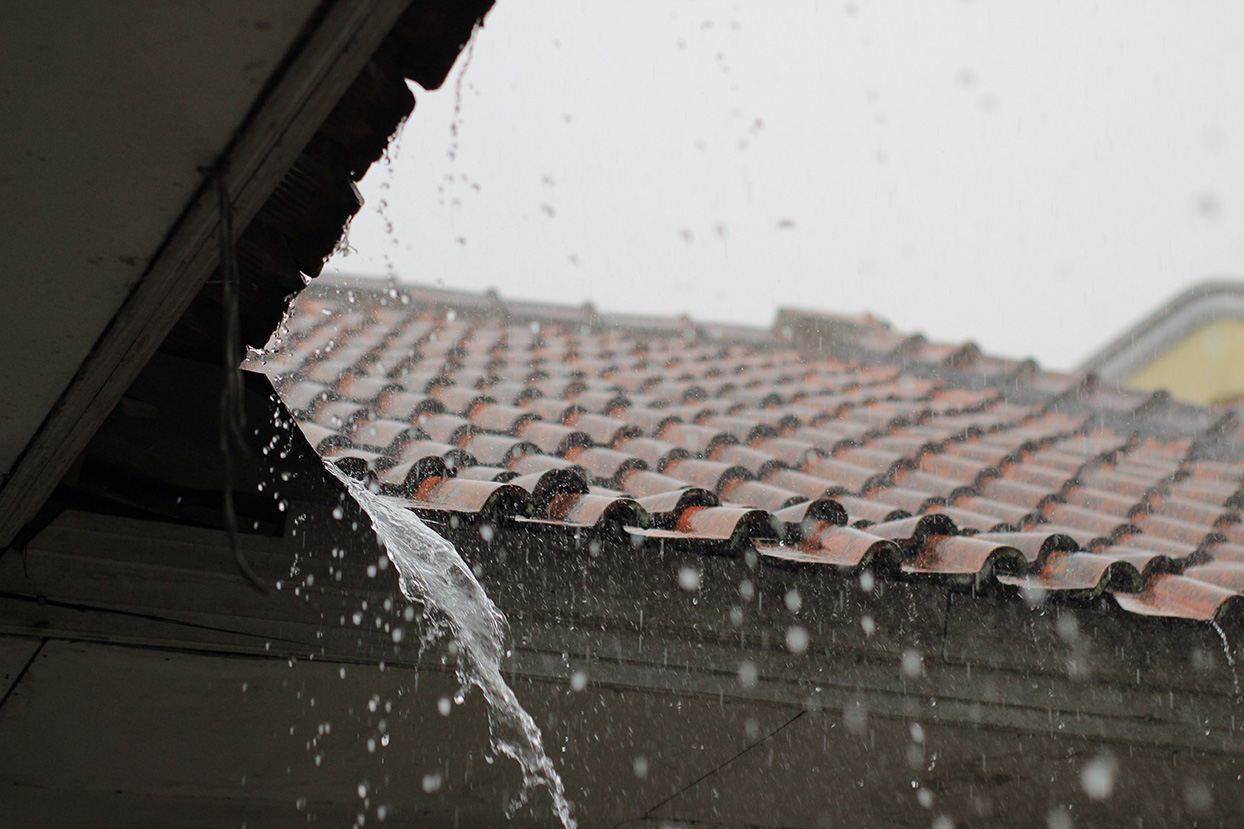
Drive through some of Surrey’s most desirable roads and it is easy to assume every property is meticulously maintained. Immaculate driveways, beautifully landscaped gardens and freshly decorated exteriors all create the impression that these homes receive the very best care.
Yet appearances can be deceptive.
Some of the most expensive homes in the county develop roofing problems that could have been avoided with relatively simple maintenance. In many cases, the issue is not a lack of money. It is a lack of attention.
Roofs rarely demand attention until something goes wrong. Unlike kitchens, bathrooms or landscaped gardens, they are out of sight for almost everyone. That makes them one of the easiest parts of a property to overlook, regardless of its value.
A premium postcode does not guarantee a healthy roof
There is a common belief that expensive homes are automatically better maintained.
In reality, larger properties often present more roofing challenges than smaller homes.
Complex roof designs create more junctions, valleys and changes in pitch. Chimneys, dormer windows, rooflights and decorative features all increase the number of areas where water can potentially find a way in if maintenance is neglected.
A detached country house with multiple roof elevations may require significantly more ongoing attention than a modest semi-detached property with a straightforward pitched roof.
The roof does not know the value of the house beneath it.
Mature trees are both beautiful and problematic
Surrey is famous for its leafy roads, established gardens and mature woodland.
These trees are one of the county’s greatest attractions, but they also create unique roofing challenges.
Leaves collect in valleys and gutters.
Seeds begin growing in accumulated debris.
Branches gradually extend over roof coverings.
Shade encourages moss and algae to establish themselves more quickly than on roofs exposed to direct sunlight.
None of these issues are especially dramatic on their own. Together, however, they create conditions that prevent rainwater draining efficiently and allow moisture to remain on roofing materials for longer periods.
Left unchecked, this can shorten the lifespan of otherwise perfectly serviceable roofs.
Moss is not always the real problem
Few roofing topics generate more debate than moss.
Some homeowners panic the moment they see it.
Others ignore it completely.
The truth usually sits somewhere in the middle.
Moss itself is rarely the direct cause of a leaking roof. More often, it is a sign that the roof remains damp for extended periods due to shade, poor airflow or accumulated debris.
Removing moss without addressing the conditions that allowed it to develop is a little like repainting a wall without fixing the damp behind it.
The appearance improves temporarily, but the underlying issue remains.
Small defects become expensive because nobody notices them
One advantage of living in a larger property is that minor leaks often remain hidden for longer.
That might sound positive, but it usually is not.
Water entering through a small defect may travel a surprising distance before becoming visible inside the property.
By the time a ceiling stain appears, moisture may already have affected insulation, timber, plasterboard or decorative finishes elsewhere within the roof structure.
The original repair could have been relatively straightforward.
The resulting internal work is often considerably more expensive.
Historic homes require a different approach
Many of Surrey’s most desirable properties were built decades, and sometimes centuries, ago.
These buildings deserve sympathetic maintenance rather than modern shortcuts.
Traditional slate, clay tiles and leadwork each have their own characteristics. Replacing historic materials with unsuitable alternatives may create more problems than it solves.
Older buildings also tend to move slightly over time. Roofing repairs therefore need to work with the building rather than against it.
Experience matters just as much as the materials themselves.
Flat roofs are often forgotten
Even substantial detached homes frequently include flat roofs somewhere within the property.
Extensions.
Garages.
Garden rooms.
Balconies.
Bay windows.
These areas are often overlooked because they are difficult to see from ground level.
Yet they require the same routine attention as any other part of the roof.
Blocked outlets, standing water and deteriorating waterproofing rarely become obvious until they begin affecting rooms below.
Understanding the available roofing services can help homeowners identify maintenance issues before they develop into major repairs.
Weather patterns are changing
Roofs across the South East are experiencing different conditions from those they faced twenty or thirty years ago.
Periods of prolonged heat are becoming more common.
Sudden heavy downpours place drainage systems under greater pressure.
High winds appear more frequently outside the traditional winter months.
These changing conditions place additional stress on roofing materials that may already have decades of service behind them.
A roof that has performed perfectly well for years may suddenly begin revealing weaknesses because the weather it experiences today is different from the weather it was originally designed to withstand.
Commercial thinking works surprisingly well for homeowners
Facilities managers responsible for commercial buildings rarely wait until a roof leaks before arranging an inspection.
Instead, many adopt planned maintenance programmes that identify defects while they are still minor.
Homeowners can benefit from exactly the same philosophy.
A routine inspection every few years often costs significantly less than repairing water damage inside the property.
It also provides reassurance that small issues are being identified before they become disruptive.
The same preventative approach forms the basis of effective commercial roofing maintenance, where avoiding disruption is often just as important as avoiding repair costs.
Not every ageing roof needs replacing
Perhaps the biggest misconception in residential roofing is that age automatically means replacement.
That simply is not true.
Many older roofs remain structurally sound and only require isolated repairs or routine maintenance.
Equally, relatively modern roofs can develop serious problems if workmanship was poor or maintenance has been neglected.
A professional assessment should always focus on condition rather than assumptions.
Replacing an entire roof when only localised repairs are needed can be an unnecessary expense.
Ignoring widespread deterioration because the roof is “not that old” can be equally costly.
Prevention rarely attracts attention
Homeowners naturally remember emergency repairs.
They remember the storm that damaged tiles.
They remember the leak that appeared over the staircase.
They remember the scaffolding.
What they rarely remember are the years when nothing went wrong because the roof had been maintained properly.
Successful roof maintenance is largely invisible.
That makes it easy to postpone.
Unfortunately, roofs have a habit of reminding people they exist at the least convenient moment.
Looking after your property’s first line of defence
A roof protects everything beneath it. It shields the structure from rain, wind, sunlight and changing temperatures every day of the year, often with little recognition until something fails.
Whether your property overlooks the Surrey Hills, sits within a busy commuter town or forms part of one of the county’s many historic villages, regular maintenance remains one of the most effective ways to protect its long-term value.
Finding out more about professional residential roofing services can help identify small issues before they become significant ones. For many homeowners, a straightforward inspection today is far preferable to an unexpected repair during the middle of winter.