


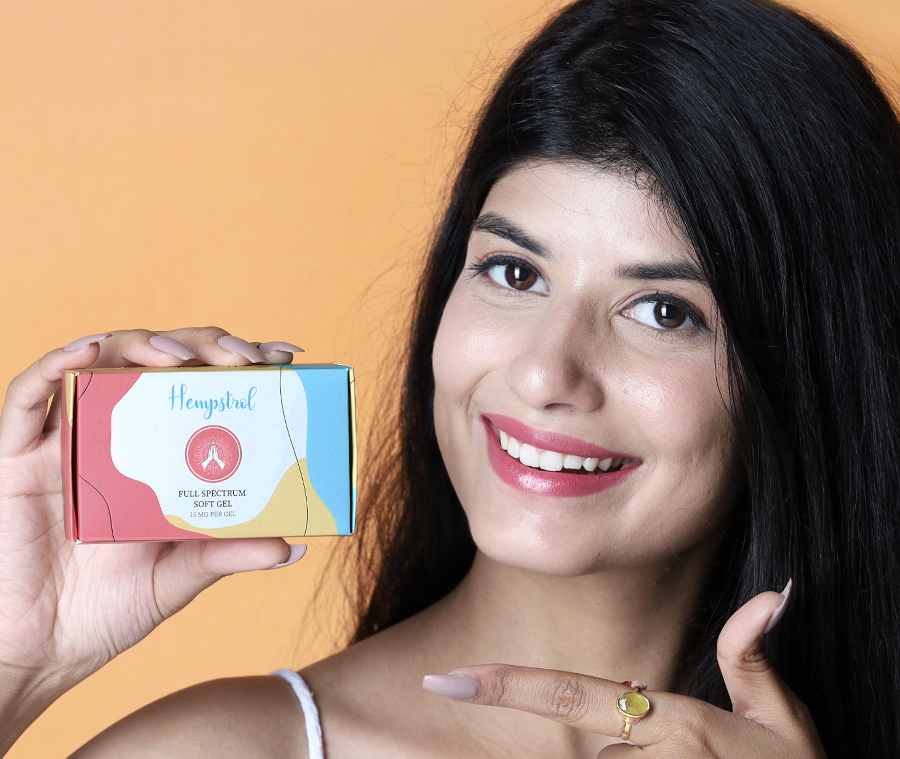
CBD for pain is one of the most searched wellness topics in India right now and one of the most misunderstood. The result is a market full of consumers who have tried CBD, found it underwhelming, and concluded that it simply does not work for them. In most cases, the problem is not CBD. It is the product they chose, the dose they used, or the format they selected, all of which were wrong for their specific type of pain. This article is about getting those decisions right the first time.
Mistake 1: Choosing the Wrong Spectrum
This is the most common and most costly mistake. CBD isolate, pure cannabidiol with everything else removed, is the least effective format for pain management. It lacks the terpenes and minor cannabinoids that, together with CBD, produce the entourage effect: a synergistic amplification that makes full-spectrum and broad-spectrum extracts significantly more effective for inflammatory and neuropathic pain. If the product you are considering does not clearly state ‘full-spectrum’ or ‘broad-spectrum,’ look elsewhere.
Mistake 2: Underdosing and Giving Up Too Early
CBD works cumulatively. The endocannabinoid system responds to sustained supplementation, not a single dose, and not a week of inconsistent use. Most people who report that CBD did not work for their pain either took too little or stopped too soon. For pain management, therapeutic doses typically start at 25–50mg per day and may need to be higher for more severe or chronic conditions. Consistency over four to six weeks is the minimum commitment required to assess whether a product is genuinely working.
Mistake 3: Ignoring the Lab Report
The single most important document in any CBD purchase is the Certificate of Analysis. Yet most consumers never read it. When buying CBD capsules for pain or any other CBD format, the COA tells you the actual cannabinoid content of what you are buying, which may differ significantly from what the label claims. It also confirms the absence of contaminants that could actively worsen inflammation or cause harm. A brand that does not publish its COA is a brand that does not want you to look too closely.
Mistake 4: Choosing Format Over Function
Not every CBD format suits every type of pain. Topical creams and balms are effective for localized joint or muscle pain but do nothing for systemic inflammation or neuropathic pain. Sublingual oils work quickly but have a shorter duration of effect, useful for acute pain but less ideal for all-day management. For sustained, systemic pain relief, CBD capsules India offer the most consistent and long-lasting effect, releasing gradually over several hours and maintaining therapeutic cannabinoid levels throughout the day.
Mistake 5: Not Considering the Full Product Ecosystem
Pain, particularly chronic pain, is rarely a single-dimensional problem. It intersects with poor sleep, anxiety, inflammation, and reduced quality of life in ways that a single product may not fully address. The most effective approach is to think about CBD products India as a toolkit rather than a single solution: a daily capsule for systemic support, a topical for localized flare-ups, and a higher-strength oil for acute episodes. Brands like Hempstrol offer a range of formats precisely because different pain profiles require different interventions.
Mistake 6: Skipping Medical Consultation
CBD for pain is not a one-size-fits-all supplement. The right product, dose, and format depend on the type of pain you are managing, its severity, its duration, and your overall health picture, including any medications you are currently taking. A qualified medical professional who understands cannabinoid therapy can save you months of ineffective self-experimentation and help you reach a dose that actually works in a fraction of the time.
At last,
The reason CBD does not work for most people who say it does not work is not the compound but the choices made around it. Right spectrum, right dose, right format, right consistency, and right professional support: get these five things right and CBD for pain becomes a very different conversation. Stop experimenting blindly. Start choosing deliberately.