


Why Is Personalized Care Important in Surgical Medicine?
Every surgical patient brings a different combination of medical history, symptoms, health priorities, and recovery requirements. For this reason, modern surgical treatment increasingly emphasizes individualized decision-making rather than relying on a uniform approach. The patient-focused perspective associated with Dr. Steven Muscoreil offers a useful starting point for examining how minimally invasive surgery can be considered alongside communication, clinical evaluation, and long-term patient well-being.
What Are the Key Characteristics of Minimally Invasive Surgery?
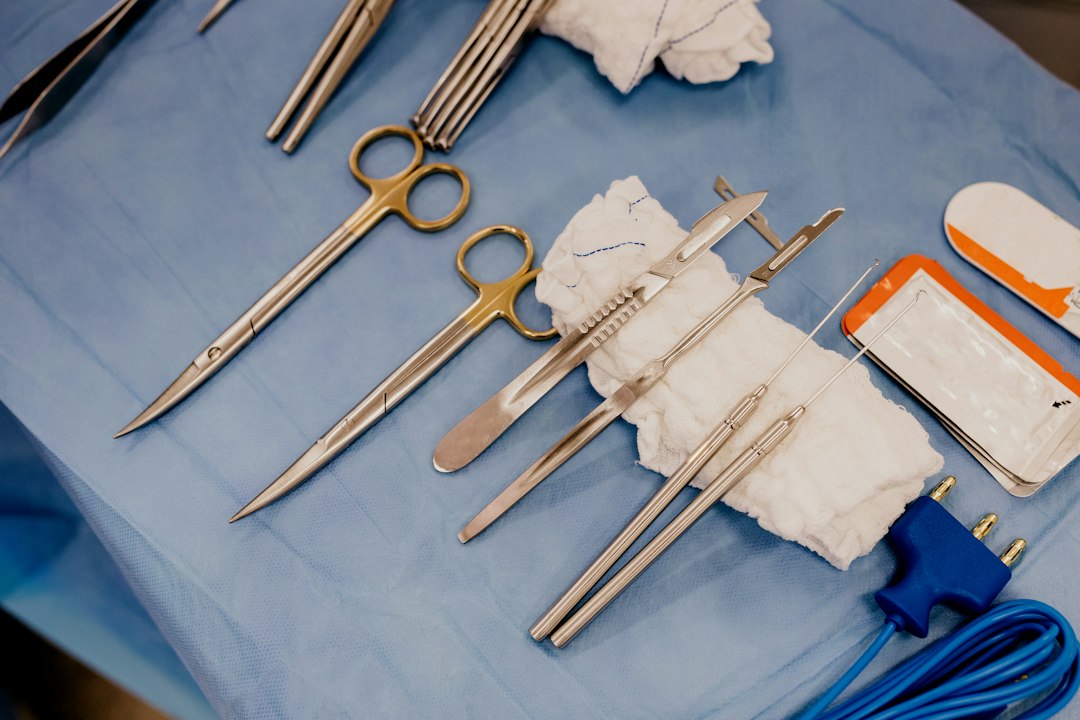
Minimally invasive surgery generally involves specialized instruments and smaller incisions to perform selected procedures. Depending on the treatment, surgeons may use cameras and advanced visualization equipment to examine internal structures.
This approach can offer potential advantages, including:
Reduced disruption to surrounding tissues.
Smaller incision sites.
Potentially less postoperative discomfort.
Reduced hospital stays in suitable circumstances.
Earlier recovery of certain physical activities.
However, these outcomes vary. Some conditions require traditional surgical approaches, and minimally invasive techniques are not automatically the safest or most effective option for every patient.
How Do Diagnostic Assessments Guide Treatment Choices?
Accurate diagnosis is central to selecting an appropriate surgical strategy. Healthcare professionals use medical histories, physical examinations, laboratory investigations, and imaging studies to understand the patient’s condition.
These findings help determine the location, severity, and characteristics of a medical problem. They also provide information about whether surgery is necessary and which approach may be appropriate.
A comprehensive assessment helps patients understand the reasoning behind treatment recommendations. It also gives the medical team an opportunity to identify factors that may influence procedural planning or recovery.
Why Should Patients Understand Surgical Risks and Benefits?
Every surgical procedure involves potential benefits and risks. Patients deserve a clear explanation of both before making treatment decisions.
Discussions should address possible complications, anesthesia considerations, expected recovery requirements, and available alternatives. Healthcare professionals should also explain that outcomes cannot be guaranteed.
The patient-centered philosophy connected with Dr. Steven Muscoreil reinforces the value of transparent discussions. When individuals understand the available information, they can make decisions that better reflect their medical needs and personal priorities.
What Role Does Technology Play in Surgical Development?
Technological improvements continue to influence the field of minimally invasive surgery. Advanced cameras, imaging systems, and specialized instruments can help surgeons visualize treatment areas and perform selected procedures with greater control.
These developments may support more refined surgical techniques. Nevertheless, technology should complement professional expertise rather than replace it.
Appropriate patient selection, careful planning, procedural knowledge, and adherence to safety standards remain fundamental to responsible surgical practice.
How Can Healthcare Professionals Support a Smooth Recovery?
Recovery requires attention to both physical healing and patient education. Before discharge, individuals should receive instructions regarding medication schedules, incision care, physical activity, and follow-up appointments.
Healthcare teams may also provide guidance about:
Recognizing signs of infection.
Managing expected postoperative discomfort.
Following recommended dietary instructions.
Returning gradually to everyday activities.
Understanding when additional medical attention is necessary.
Regular follow-up helps evaluate healing and identify concerns that may require further assessment.
Why Is Long-Term Follow-Up Relevant to Surgical Care?
The surgical experience does not end when the patient leaves the hospital or treatment facility. Follow-up appointments allow healthcare professionals to review recovery, assess symptoms, and determine whether additional care is needed.
Long-term monitoring may also help patients understand ongoing health considerations and follow appropriate recommendations. This continuity strengthens the connection between procedural treatment and broader healthcare management.
What Makes Patient-Centered Surgical Innovation Meaningful?
Innovation becomes meaningful when it addresses genuine clinical needs while maintaining patient safety and realistic expectations. Minimally invasive techniques can contribute to this objective when supported by appropriate evaluation and skilled surgical practice.
The principles associated with Dr. Steven Muscoreil emphasize the relationship between individualized treatment planning, informed communication, and attention to recovery. Ultimately, modern surgical care should combine technical advancement with compassion, transparency, and respect for every patient’s unique healthcare journey.
Key Takeaways
- Every surgical patient presents a unique combination of medical history, symptoms, and recovery requirements, necessitating individualized decision-making.
- Minimally invasive surgery involves specialized instruments and smaller incisions, offering potential advantages such as reduced postoperative discomfort and earlier recovery.
- Accurate diagnosis is essential for determining the appropriate surgical strategy, with medical histories and imaging studies playing key roles in this process.
- Patients should receive clear explanations of the risks and benefits associated with surgical procedures to make informed treatment decisions that align with their medical needs and personal priorities.
- Technological advancements in minimally invasive surgery enhance visualization and control during procedures, although they should complement rather than replace professional expertise.
- Long-term follow-up is crucial for evaluating recovery, assessing ongoing health considerations, and ensuring continuity in healthcare management after surgery.