


Introduction
Shipping wine requires careful handling to preserve its flavour, aroma, and overall quality. Unlike many other products, wine can be sensitive to temperature changes, sunlight, movement, and improper storage. Whether a winery is delivering bottles to customers or a wine subscription service is sending curated collections, proper shipping practices are essential.
Understanding how to protect wine during transportation helps businesses deliver better products and gives customers a more enjoyable wine experience.
Wine Quality Protection Tips
1. Maintain a Stable Temperature
Temperature control is one of the most important factors in wine transportation. Excessive heat can accelerate chemical reactions in wine and damage its flavour and aroma. It may also cause wine to expand, increasing pressure inside the bottle. Extreme cold can create other problems, including freezing and potential damage to the closure.
Wine should be transported under conditions that minimize temperature fluctuations. During hot weather, insulated packaging and temperature-controlled delivery vehicles can help protect bottles. Businesses should also avoid leaving wine shipments in direct sunlight or hot storage areas.
2. Use Protective Packaging
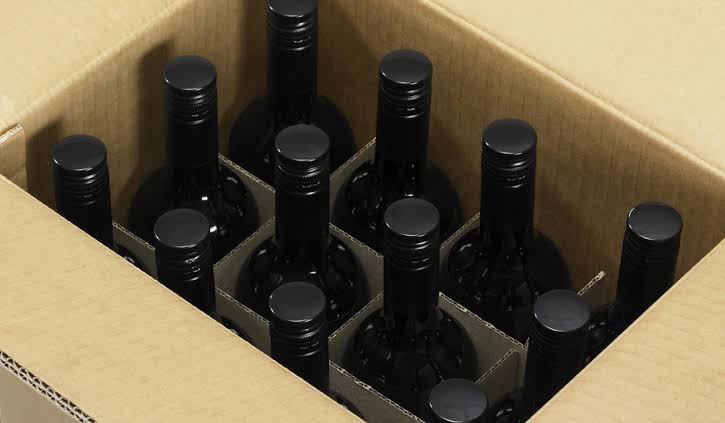
Wine bottles are fragile and require packaging that prevents breakage during handling. Suitable packaging also helps reduce movement inside shipping cartons.
Consider these protective measures:
Molded inserts:
Use inserts designed to hold bottles securely in place.
Cushioning materials:
Add suitable protective padding to absorb shocks during transportation.
Strong shipping cartons:
Choose durable boxes designed specifically for wine bottles.
Secure closures:
Ensure bottles are properly sealed before packing to reduce the risk of leakage.
Packaging should be tested for the expected shipping conditions, especially when deliveries involve multiple handling stages.
3. Protect Wine from Light Exposure
Direct sunlight and strong ultraviolet light can negatively affect wine quality. Light exposure may trigger chemical reactions that alter aromas and flavours. Some wines are particularly vulnerable to this type of damage.
To reduce the risk, use opaque or light-resistant packaging. Store packed wine in covered areas and minimize the time shipments spend outdoors during collection and delivery. Dark glass bottles offer some protection, but they do not eliminate the risk of light damage.
4. Minimize Shaking and Physical Impact
Wine shipments may experience vibration, sudden movements, and impacts during transportation. Although ordinary handling does not automatically damage wine, rough treatment can break bottles, loosen packaging, or cause leakage.
Secure bottles inside cartons and use packaging that limits unnecessary movement. Delivery teams should handle shipments carefully and avoid dropping or stacking boxes beyond their recommended limits. For premium or collectible wines, additional protection and specialized transport arrangements may be worthwhile.
5. Choose a Reliable Shipping Partner
A reliable logistics provider plays an important role in protecting wine quality. Businesses should evaluate delivery partners based on their handling procedures, temperature management, tracking capabilities, and experience with fragile goods.
Clear shipping instructions can help prevent avoidable problems. Tracking systems also allow businesses to monitor delivery progress and identify delays that could expose wine to unsuitable conditions.
6. Consider Seasonal Conditions
Shipping risks change throughout the year. Summer heat can expose wine to damaging temperatures, while winter conditions may create freezing risks in some regions. Customers can also help by arranging delivery when someone is available to receive the package promptly.
Conclusion
By following these practices, wineries and wine subscription services can protect their products, reduce shipping losses, and provide customers with a better experience from dispatch to delivery.