


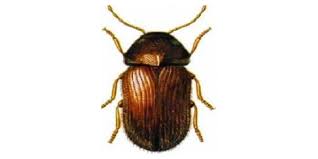
Cigarette beetles are a common stored-product pest that can affect the quality and safety of a wide range of dry goods. Their ability to hide within packaging and multiply quickly makes them a serious concern for storage environments. Modern cigarette beetle trap systems provide an effective and proactive solution for monitoring and managing these pests. A structured approach using traps helps ensure clean storage conditions, early detection, and long-term protection.
What makes cigarette beetles a problem in storage environments?
Cigarette beetle (菸甲蟲) feed on dried organic materials such as spices, grains, herbs, and packaged foods. Their small size allows them to enter sealed areas and remain undetected until damage becomes visible. This can lead to contamination, product loss, and reduced storage efficiency. Effective monitoring tools like traps help reduce these risks significantly.
How do cigarette beetle traps function in pest control systems?
Cigarette beetle traps use attractants designed to lure adult beetles into a controlled capture system. Once inside, the insects are trapped and cannot escape. This process helps reduce breeding populations while also providing valuable data on infestation levels. Traps are especially useful for continuous monitoring in storage facilities.
Why are traps important for early detection?
Early detection is critical in managing cigarette beetle activity. Since infestations often begin in hidden areas, traps act as an early warning system. They help identify the presence of beetles before damage becomes widespread. This allows for faster response and more effective pest management strategies.
Where should cigarette beetle traps be placed for maximum effectiveness?
Trap placement plays a key role in performance. They are typically positioned near storage shelves, packaging zones, and areas where dry goods are concentrated. Proper placement ensures that beetles are intercepted at key activity points, improving detection accuracy and control efficiency.
How do traps help reduce cigarette beetle populations?
While traps do not eliminate infestations on their own, they significantly reduce adult beetle populations. By capturing breeding insects, they interrupt the reproductive cycle and slow down infestation growth. This makes it easier to manage the pest population alongside other control methods.
What role do traps play in long-term pest management?
Cigarette beetle traps are essential for ongoing monitoring. They provide continuous insights into pest activity, allowing professionals to track trends over time. This long-term visibility supports preventive strategies and ensures storage environments remain protected from future infestations.
How does trap data improve pest control decisions?
The number of beetles captured in traps helps professionals assess infestation severity. High capture rates may indicate active breeding areas, while low rates suggest controlled conditions. This data-driven approach helps guide targeted treatments and improves overall pest management efficiency.
Why are cigarette beetle traps considered a safe solution?
Traps are non-toxic and do not rely on chemicals, making them safe for use in food storage and sensitive environments. They provide an environmentally friendly method of monitoring pests without affecting stored products or surrounding conditions.
How do modern trap systems enhance effectiveness?
Advanced trap designs use improved attractants and optimized capture surfaces to increase efficiency. These enhancements make traps more reliable in detecting beetle activity even at low infestation levels. Modern systems also offer longer usability and easier maintenance.
What benefits do traps offer to storage facilities and businesses?
For businesses handling stored goods, traps help maintain product quality and reduce contamination risks. They support compliance with hygiene standards and minimize financial losses caused by pest damage. Consistent monitoring also strengthens operational reliability and customer confidence.
How do traps fit into integrated pest control strategies?
Cigarette beetle traps are an important part of integrated pest management. They work alongside cleaning practices, environmental control, and targeted treatments to create a complete pest prevention system. This combined approach ensures both immediate control and long-term protection.
Conclusion
Cigarette beetle traps provide a practical and effective solution for monitoring and managing pest activity in storage environments. Through early detection, strategic placement, and continuous data collection, they help prevent infestations and protect stored goods. A professional trapping strategy ensures cleaner storage conditions, improved product safety, and long-term pest control success.